FDA’s First cGMP Enforcement Action On AI Misuse In Drug Manufacturing
That was a drug manufacturer's response to FDA investigators when asked why process validation had not been conducted before product distribution. Not a documentation gap. Not a training deficiency. The firm told FDA it did not know that process validation was a legal requirement — because the artificial intelligence tool it relied on never flagged it.
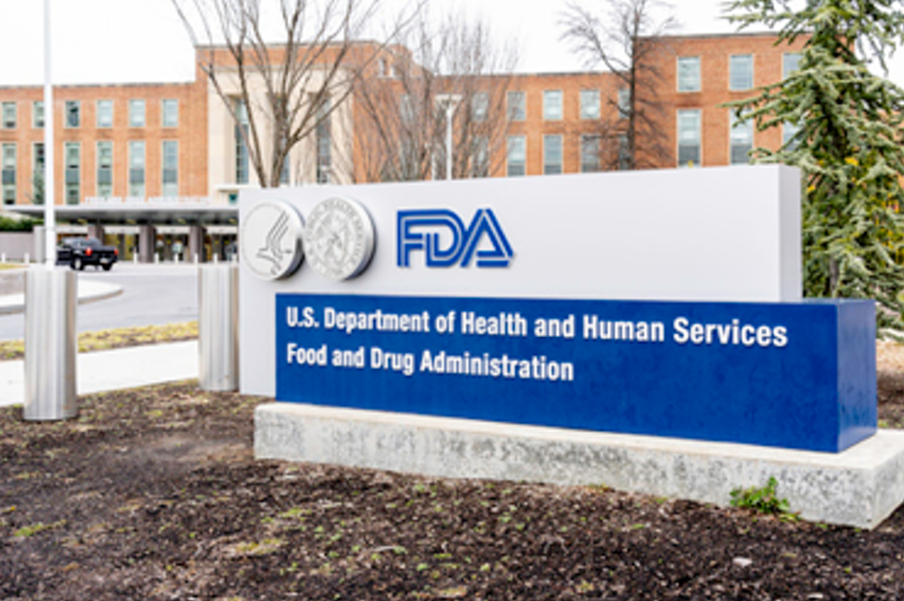
FDA’s 483 Playbook: What It Means For Pharma Outsourcing — And What It Doesn’t Address
For decades, the pharmaceutical industry has followed an unwritten understanding regarding FDA Form 483 observations: you receive them, respond to them, and hope the response is sufficient to prevent a Warning Letter. The document's format, depth, rigor, and even who signs it has been largely guided by institutional memory and the experience of those involved.

Outsourcing? When Both Sides Of The Table Are Investor-Backed, Everything Changes
A venture-backed biotech sponsor, operating against a financing timeline and a board that expects milestone delivery, sits across from a CDMO or CRO that is itself owned by private equity — working underutilization targets and valuation expectations of its own.

FDA Now Has a Playbook for Responding to a Form 483
This is the first time FDA has formally told manufacturers what a 483 response should look like. Your response may be the primary factor in whether FDA issues a Warning Letter. It applies to all CGMP inspections — routine, for-cause, preapproval — across CDER, CBER, and CVM. 503B outsourcing facilities and combination products are included.
Reinventing the Biotech Core Team
As numerous CDMOs race to expand and showcase technical strengths, sustaining differentiation has become increasingly difficult. At the same time, a biotech funding crisis is reshaping collaboration priorities, demanding leaner, more integrated teams capable of trust-driven execution and shared risk.

Panel Discussion PROTACs
Targeted Protein Degradation (TPD) represents a paradigm shift in drug discovery by leveraging cellular proteostasis mechanisms to remove disease-relevant proteins instead of merely inhibiting them. Unlike traditional small-molecule inhibitors, TPD strategies—such as PROTACs and molecular glues—enable the catalytic degradation of previously undruggable targets. These modalities are rapidly advancing through preclinical and clinical pipelines, with over 20 degraders currently in trials and applications that span oncology, immunology, neurodegeneration, and rare diseases, along with increasing uses.

ICH & FDA APPROACH TO CRITICAL QUALITY ATTRIBUTES
The development of pharmaceutical products is a complex, highly regulated process that requires meticulous attention to detail to ensure the final product's safety, efficacy, and quality. Critical Quality Attributes (CQAs) are fundamental to this process, serving as benchmarks defining a drug product's quality. This white paper explores the concept of CQAs, their importance in drug development, and the methodologies used to identify, monitor, and control them throughout the product lifecycle. By understanding and effectively managing CQAs, pharmaceutical companies can enhance product quality, comply with regulatory requirements, and ultimately deliver safe and effective therapies to patients.

AI and ESG in Pharma and Biotech: Navigating the Intersection for a Sustainable Future
The pharmaceutical and biotech sectors are at a pivotal moment where integrating Artificial Intelligence (AI) and Environmental, Social, and Governance (ESG) initiatives is no longer optional but necessary. As global supply chains grow increasingly complex, stakeholders—from consumers to investors—demand transparency, ethical practices, and sustainability. In parallel, AI is being celebrated as a transformative tool to achieve these goals. But how do these forces converge, and what challenges and opportunities do they present for the pharmaceutical and biotech industries?
Research & PublicationsDr. Kishore Hotha2024-09-14T19:08:13+00:00